
Global mobility insights
Essential pathways for international relocation and expatriation
Crossing borders requires more than just a valid passport; it demands a strategic understanding of immigration rules and legal frameworks. Successful relocation hinges on thorough preparation, from visa paperwork to settlement and integration in the host country.
Securing the right entry documents
Navigating bureaucratic requirements
Visa categories
Understanding visa classifications
Distinct classifications determine the authorized length of stay and permitted activities within a foreign territory. Selecting the appropriate category prevents legal complications and ensures compliance with government immigration requirements throughout the application process.
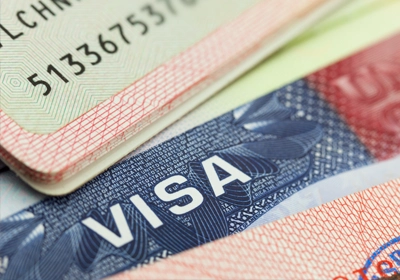
Tourist and visitor visas
Short-stay visas allow leisure travel or medical treatment without granting employment rights.

Skilled employment permits
Work permits are granted based on specific professional qualifications and verified employer sponsorship.

Family reunification streams
Family reunification pathways enable spouses and dependent children to join legal residents in host countries.
Opportunities and challenges
Working and studying abroad
International markets and academic institutions offer professional and educational opportunities for people moving abroad. Accessing these sectors requires specific permits that validate the applicant’s intent to work or study legally in the host country.


Academic student programs
Universities sponsor international students seeking degrees, often with authorization for limited part-time work.

Corporate transfer visas
Multinational companies use intra-company transfer permits to relocate key personnel across borders.


Digital nomad options
Digital nomad visas allow location-independent professionals to reside legally while earning foreign-source income.
Living abroad: settlement and daily life
Relocating requires understanding the nuances of local housing markets and administrative systems. From securing a rental guarantor to setting up essential utilities, the initial settlement phase requires careful preparation for a stable and legally compliant transition.
Healthcare registration
Opening a local bank account
Using public transport
Local language learning resources

The journey from immigration to citizenship
Naturalization and permanent residence
The path to citizenship involves rigorous vetting, including background checks and interviews. Applicants typically need to prove continuous residence, financial solvency, and sufficient local language proficiency to demonstrate integration into society and commitment to the country.
Managing the logistics of living abroad
Emigration and expatriation logistics
Leaving one’s home country requires a series of administrative and logistical procedures for an orderly departure. Proper management of these exit formalities helps prevent future tax liabilities and legal complications with home-country authorities.

Fiscal responsibilities
Settling outstanding tax obligations helps ensure compliance before changing tax residency status.

Asset management
Decisions about selling property or arranging remote asset management require careful legal planning.

Administrative exit
Notifying social security authorities and updating electoral rolls formalizes a person’s departure status.
Landscapes and traditions
Countries and destinations guide
Every region offers distinct trade-offs in lifestyle, economic stability, and immigration accessibility. Researching destination-specific conditions helps identify a country aligned with personal and professional goals.
Economic stability factors
Inflation rates and local job market conditions shape long-term financial security for newcomers.
Healthcare system quality
Access to reliable healthcare infrastructure is a primary consideration for families and retirees.
Cultural integration potential
Language barriers and social norms significantly affect daily life and long-term adaptation.
Safety and security measures
Political stability and low crime rates contribute to a secure environment for families.

Future trends in immigration laws
As cross-border mobility becomes more connected, immigration policies are shifting toward digital processing and greater procedural flexibility. Governments are expanding online application portals while strengthening security protocols through biometric data to improve border control and identity verification.
Digital application portals
Biometric security data
Remote worker policies
Global tax treaties